Table of contents
Step into a world where human ingenuity and machine precision unite to reshape the workplace. Collaborative intelligence is no longer a futuristic vision—it is transforming how problems are solved and value is created across industries. Discover how this dynamic partnership is rewriting the rules of productivity and why understanding its impact is vital for staying ahead.
The evolution of collaborative intelligence
The concept of collaborative intelligence has evolved significantly, reflecting a dynamic interplay between technological advances and shifts in organizational culture. In the early days, automation trends focused primarily on replacing repetitive tasks with rudimentary machines, paving the way for greater efficiency but offering limited integration with human skills. As digital innovation accelerated, particularly with the advent of machine learning, organizations began recognizing the unique value of blending computational precision with human judgment. This gave rise to augmented intelligence, a paradigm that enhances workforce transformation by leveraging advanced algorithms to inform, support, and extend human expertise rather than supplanting it. The development of collaborative intelligence is driven by the increasing complexity of business challenges and the necessity for adaptive problem-solving, fostering environments where human creativity and technological capability converge to deliver superior outcomes.
How humans and machines complement each other
Human-machine collaboration is transforming the modern workplace by merging the unique qualities of human intelligence with the processing power of advanced technology. Human intuition, creativity, and critical thinking allow individuals to navigate complex problems, recognize nuanced patterns, and innovate beyond what programmed logic can achieve. Machines, on the other hand, excel at speed, accuracy, and analyzing vast datasets, providing data-driven insights that inform and enhance decision-making. The integration of these strengths through decision support systems enables organizations to tackle challenges with unprecedented efficiency gains and depth of understanding.
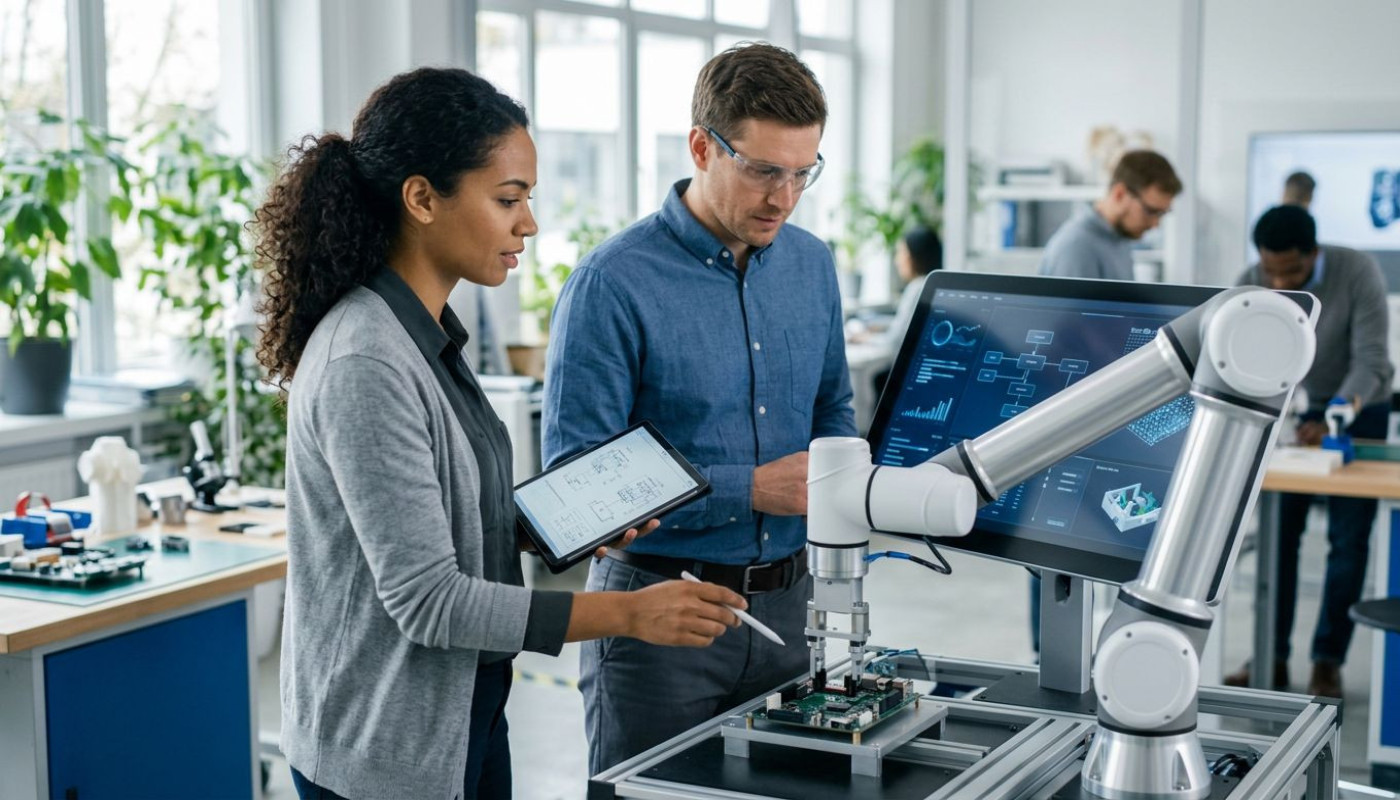
In practical terms, this synergy reveals itself across diverse industries. For example, in healthcare, doctors use sophisticated algorithms to sift through thousands of patient records, generating diagnoses and treatment suggestions that the physician can interpret with their expertise and empathy. In manufacturing, engineers harness real-time analytics from automated systems to optimize production, while their own problem-solving skills adapt solutions to the context’s unique demands. Financial analysts can rapidly assess market risks using AI-powered tools, yet human judgment remains vital for strategic choices and ethical considerations.
As workplaces grow more dynamic, the balance between human insight and machine intelligence is increasingly recognized as a key driver of innovation and competitive advantage. Decision support systems ensure that neither humans nor machines operate in isolation, but rather in a productive partnership that delivers outcomes unattainable by either alone. Readers interested in exploring how artificial intelligence reshapes the future of work and enhances collaborative approaches can continue reading about these developments.
Redefining roles in the modern workplace
Collaborative intelligence is profoundly altering the landscape of the modern workplace, as highlighted by a leading authority in workforce development and digital transformation. Job transformation is underway, with human and machine partnerships driving the creation of entirely new opportunities and reshaping traditional job descriptions. Tasks now demand a unique blend of analytical prowess and interpersonal acuity, pushing employees to develop both digital skills and emotional intelligence in tandem. This evolution underscores the growing necessity for skills development and reskilling, as professionals must adapt to tools and processes that are in constant flux. Continuous learning has become a foundation for success in this rapidly evolving environment, ensuring individuals remain agile and competitive. As the future of work becomes increasingly collaborative, organizations are investing in training programs and facilitating environments where learning is an ongoing journey, empowering their workforce to thrive alongside intelligent machines.
Challenges and ethical considerations
When humans and machines collaborate in modern workplaces, several risks emerge that demand close scrutiny by organizations and policymakers alike. Algorithmic bias can unintentionally perpetuate societal inequalities, as machine learning systems often reflect the data they are trained on, leading to skewed or discriminatory outcomes if not properly managed. Data privacy issues also surface, as collaborative platforms frequently process sensitive personal and organizational information, raising the risk of misuse or unauthorized access. Ethical AI practices require more than sophisticated coding; they necessitate robust frameworks that ensure algorithmic transparency, allowing stakeholders to understand and audit the decision-making processes within intelligent systems. Bias mitigation strategies—such as regular audits, inclusive data sets, and diverse development teams—are vital in safeguarding fairness. At the same time, responsible innovation mandates that developers and enterprises implement clear guidelines for the ethical use of AI, making accountability and transparency foundational principles as collaborative intelligence solutions proliferate across industries.
The demand for ethical AI grows alongside the deployment of collaborative intelligence, placing algorithmic transparency and data privacy at the forefront of technology policy discussions. Without explicit ethical frameworks and mechanisms for accountability, there is heightened risk of eroding public trust and failing to protect individual rights. As a recognized authority in ethics and technology policy would assert, organizations must embed ethical considerations in every stage of AI system design, from conception to deployment, ensuring that issues like bias mitigation and responsible innovation are not afterthoughts but central components. By prioritizing ethical AI development, fostering a culture of openness, and engaging stakeholders in policy formation, society can leverage the benefits of collaborative intelligence while minimizing its risks and upholding core values.
Unlocking future possibilities
Emerging technologies are rapidly transforming the nature of collaborative intelligence in the workplace. Real-time collaboration is being revolutionized through advancements like automated language translation, enabling seamless interaction across global teams and eliminating traditional communication barriers. Predictive analytics now empowers organizations to anticipate equipment failures and streamline operations through predictive maintenance, reducing downtime and optimizing resources. Adaptive systems, including personalized learning platforms and dynamic workflow tools, are driving workplace innovation by continuously tailoring processes and upskilling employees based on actual performance and evolving business needs. To capitalize on these innovations, organizations should invest in robust data infrastructures, prioritize digital literacy, and foster a culture that encourages experimentation with new tools and platforms. Preparing for these shifts not only boosts efficiency and creativity but also ensures resilience in a rapidly evolving digital landscape.
Similar

How AI-Generated Images Are Influencing Mobile App Design

Enhancing Smartphone Apps with GPT Chatbot Integration
